With higher tariffs still looming, markets fret about Trump’s debt-busting budget
(Originally published May 22 in “What in the World“) Markets fell amid rising concerns about Trump’s plan to increase the U.S. government’s budget deficit.
Trump on Tuesday went to Capitol Hill to personally threaten Republican holdouts to approve his budget package, which will cut taxes more than benefits, resulting in nearly $3 trillion in additional deficits through 2034. The prospect of further increases in the U.S. government’s $36 trillion in debt prompted Moody’s last week to become the last of the three big credit ratings agencies to drop its top rating on U.S. government creditworthiness. The S&P500 fell 1.6% Wednesday but is now down only about 2.5% from Trump’s inauguration as investors continue to cling to the bet that his pause 90-day pauses on imposing higher, “reciprocal” tariffs has skirted the risk of recession.
But not stagflation. Investors are worried that, with Trump pushing to keep the government spending more than it takes in, inflation will remain too high for the Federal Reserve to cut rates and offset the impact of his growth-killing policies on health, immigration, research, and trade. That is making lending the U.S. government money a riskier proposition. This was reflected in weaker-than-anticipated demand for new 20-year bonds at a Treasury auction Wednesday.
As a result, the gap between what it costs the government to borrow short-term and what it must pay investors for to borrow over a longer period—known as the “term premium” is growing.
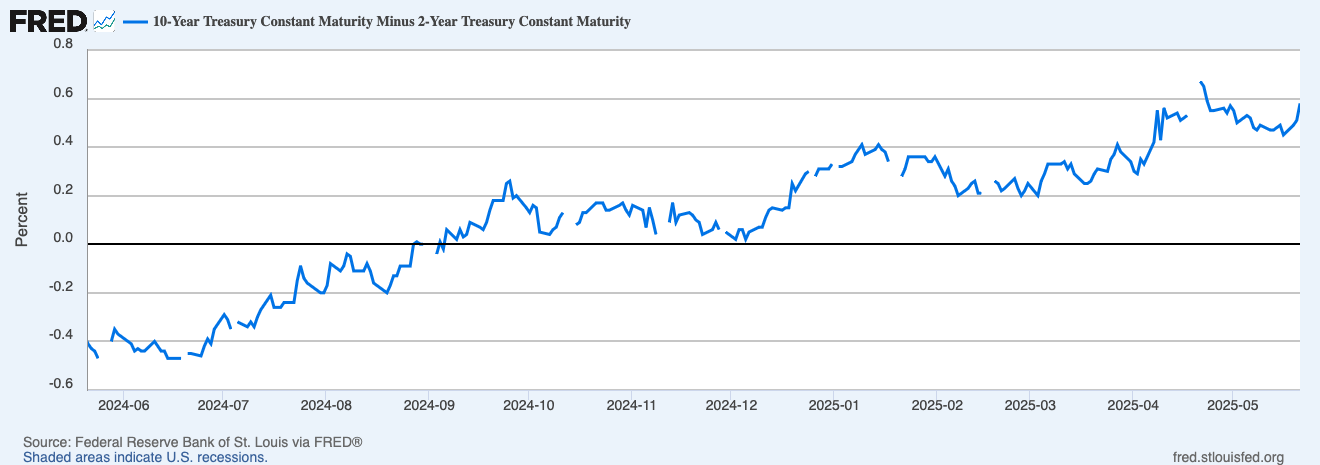
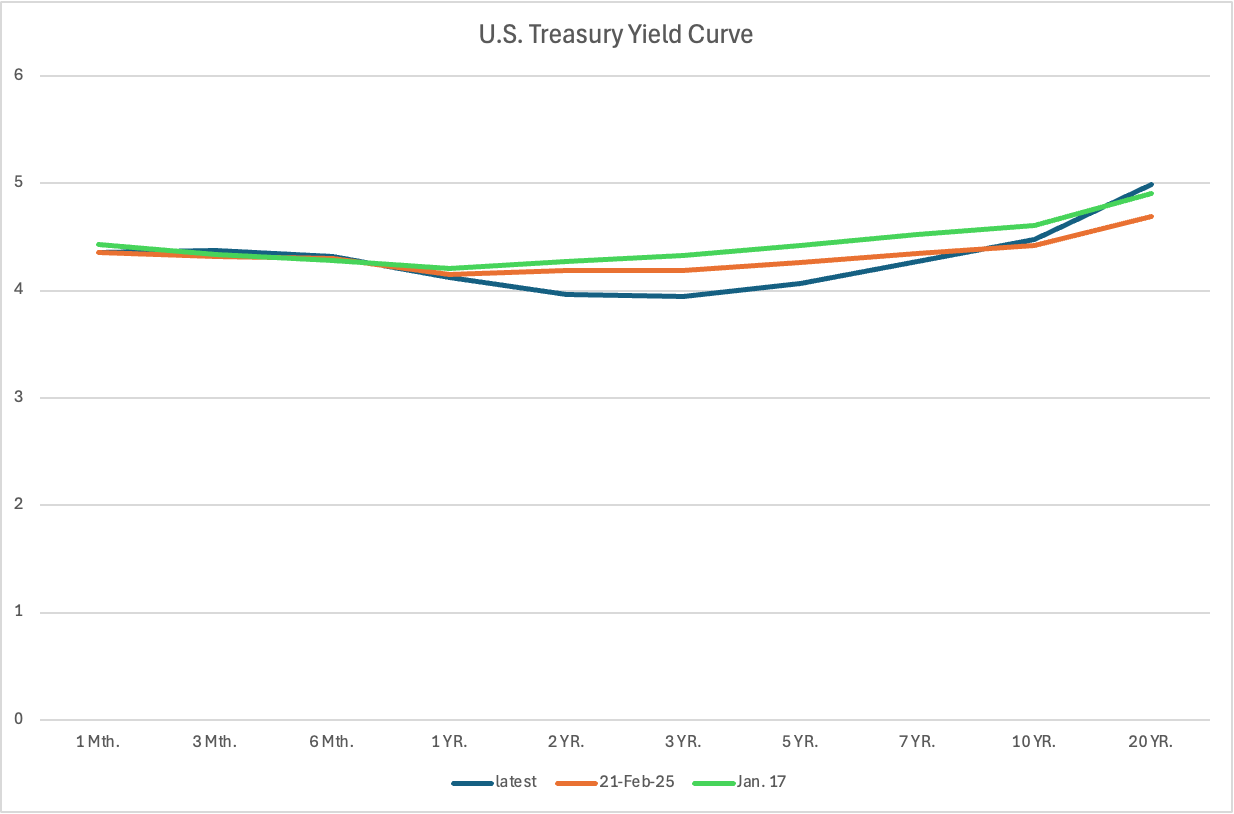
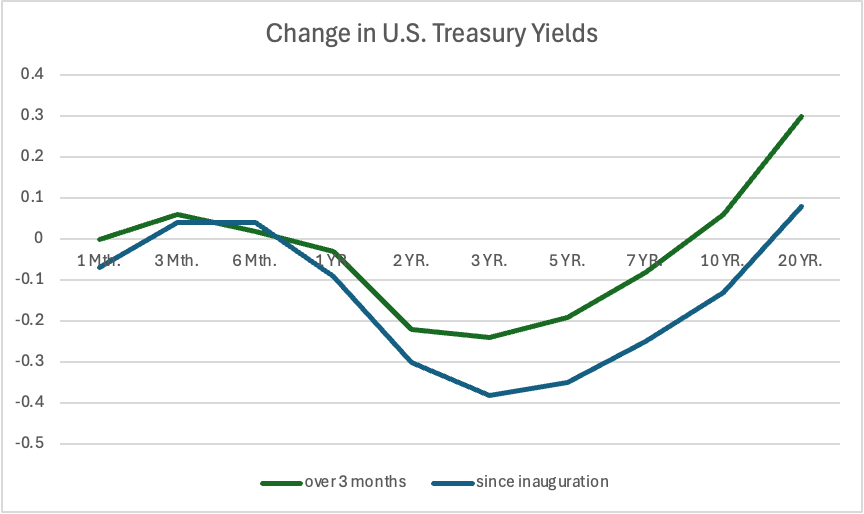
But uncertainty about what crazy thing Trump might do next (like take the two leading U.S. mortgage security agencies public) is keeping rates from falling for short-term bonds with maturities of less than a year, better known as Treasury bills. The result is a deepening inversion of the U.S. Treasury yield curve, with yields falling farthest in 3-year Treasuries as short-term uncertainty and long-term risk rises.
More Americans are cutting their Trump policy risk by moving out of the U.S. altogether. While many are moving to Europe, and Switzerland in particular, many of those with $3 million to invest are applying for new, cheaper, visas to live in New Zealand.
The weather is getting wetter and, at the same time, drier. The folks at Climate Central have released a new study that shows that the number of hot, dry, and windy days that constitute “fire season”—i.e. the conditions conducive to wildfires—has been climbing in the U.S. for the past 25 years. The most dramatic increase took place in the Northwest, where the number of “fire weather” days in a year more than tripled between 1973 and 2024, rising by nine days to an average of 13 days a year. Eight of these additional fire weather days take place in Spring, which is when the study found most the increases are taking place.
That may not add up to a lot of fire weather days to worry about. But the second-most dramatic increase took place in the Southwest, a region already known for its hot, dry, windy weather. There, the number of fire weather days also tripled, to 55 days a year, almost half of them in the Spring.
Climate Central is the same group that last month warned that U.S. cities are getting rainier. It said hourly rainfall intensity in 130 of 144 U.S. cities had climbed by an average of 15% since 1970 as climate change’s rising temperatures pull more moisture into the atmosphere to fall back to earth as rain. Except when it doesn’t, and then wildfires erupt.