Trump policies on trade, climate lash US economy, housing market
(Originally published May 20 in “What in the World“) JPMorgan CEO Jamie Dimon warned investors that they’re underestimating the impact of Trump’s tariffs on the economy.
Dimon told customers attending JPMorgan’s annual “investor day” that, even with his 90-day pause on reciprocal tariffs for China and other trading partners, Trump’s tariffs were “pretty extreme” and were still likely to whack growth. Yet the S&P500 has rallied more than 5% since Trump’s original “liberation day” announcement, and by almost 20% from the April 7 low touched before Trump announced the first, 90-day pause to allow for bilateral negotiations. “It’s an extraordinary amount of complacency,” Dimon said.
It was after listening to Dimon warn Fox Business News about the negative impact of his tariffs that Trump announced that pause. Dimon had already warned JPMorgan shareholders that the tariffs increased the likelihood of recession. Apparently, the scale of Trump’s tariffs was steeper than Dimon had anticipated in January when he told an interviewer while at the World Economic Forum’s Davos gabfest that Trump would use tariffs to “bring people to the table” to negotiate more favorable trade terms. “I would put in perspective: If it’s a little inflationary, but it’s good for national security, so be it,” he said. “I mean, get over it.”
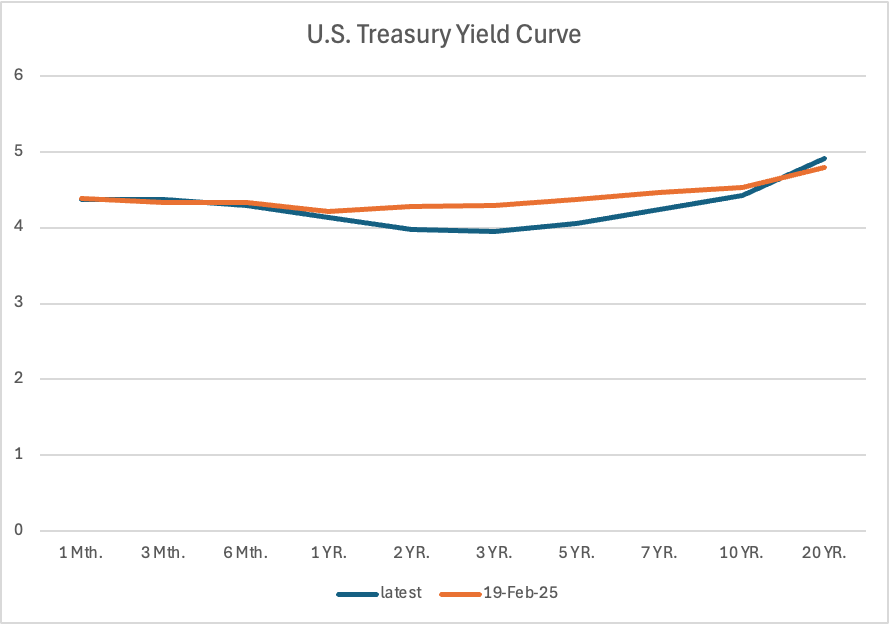
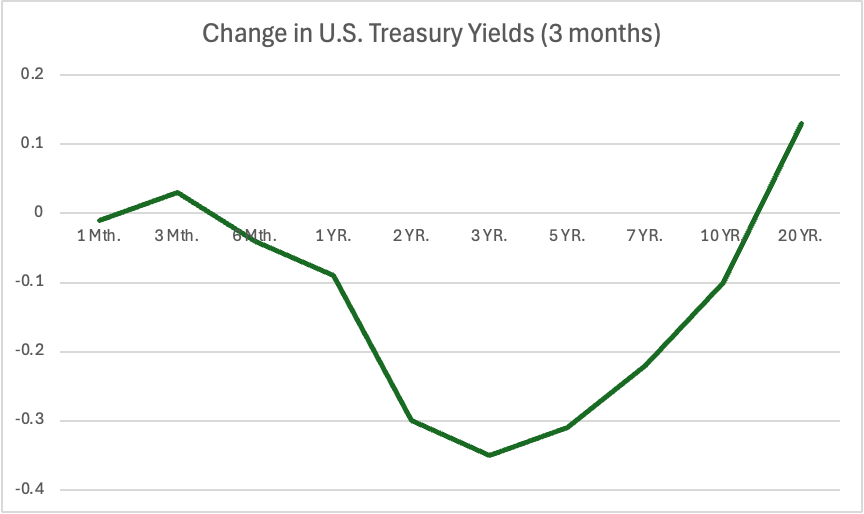
Moody’s Friday downgrade of U.S. debt has had a self-fulfilling aspect: it sent U.S. Treasuries lower and yields up, thereby raising the U.S. government’s borrowing costs and worsening the very debt burden it cited when cutting its AAA rating. Investors continue to reduce their exposure to policy risk in Washington by shifting into shorter-maturity Treasuries, continuing the inverting trend in the U.S. Treasury yield curve, with yields falling farthest in 3-year Treasuries.
Trump isn’t just undermining faith in the U.S. markets, its economy, and its currency. By gutting federal climate research and ignoring data on climate change, he’s exacerbating U.S. contributions to climate change, and leaving the U.S. more vulnerable to climate change’s impact.
That, in turn, adds to risks already besetting the U.S. economy via the U.S. housing market, where mortgage rates rose above 7% after the Moody’s downgrade of U.S. debt. In a new study by climate researchers at New York-based First Street Foundation, banks could face $1.2 billion in mortgage write-offs related to climate change this year alone. Why? Severe weather, flooding in particular, is causing ever-greater damage to homes in vulnerable areas. That is forcing insurers to either jack up premiums to reflect the rising risk, or simply to refuse to insure homes in high-risk areas. The combination of higher insurance costs and uninsured flooding damage raises the likelihood that more homeowners default on their mortgages.