US pharma imports surge as Trump’s tariffs make corporate America sick
(Originally published May 8 in “What in the World“) The U.S. Federal Reserve held interest rates steady, with Fed Chair Jerome Powell repeating warnings that Trump’s policies were raising stagflation risks.
“If the large increases in tariffs that have been announced are sustained, they’re likely to generate a rise in inflation, a slowdown in economic growth, and an increase in unemployment,” Powell said.
Corporate America meanwhile continues to warn of the toll Trump’s policies will take on profits. Consumer goods companies say they’re already seeing customers cut spending.
A rush in March to buy imports before Trump’s tariffs take effect helped drive the U.S. trade deficit up 14% to a record $140.5 billion. It was this surge in net imports that helped pull GDP into negative territory in the first three months of the year. And it turns out that the leading import wasn’t Chinese electronics, but rather Irish pharmaceuticals. Indeed, imports from China fell to a five-year low.
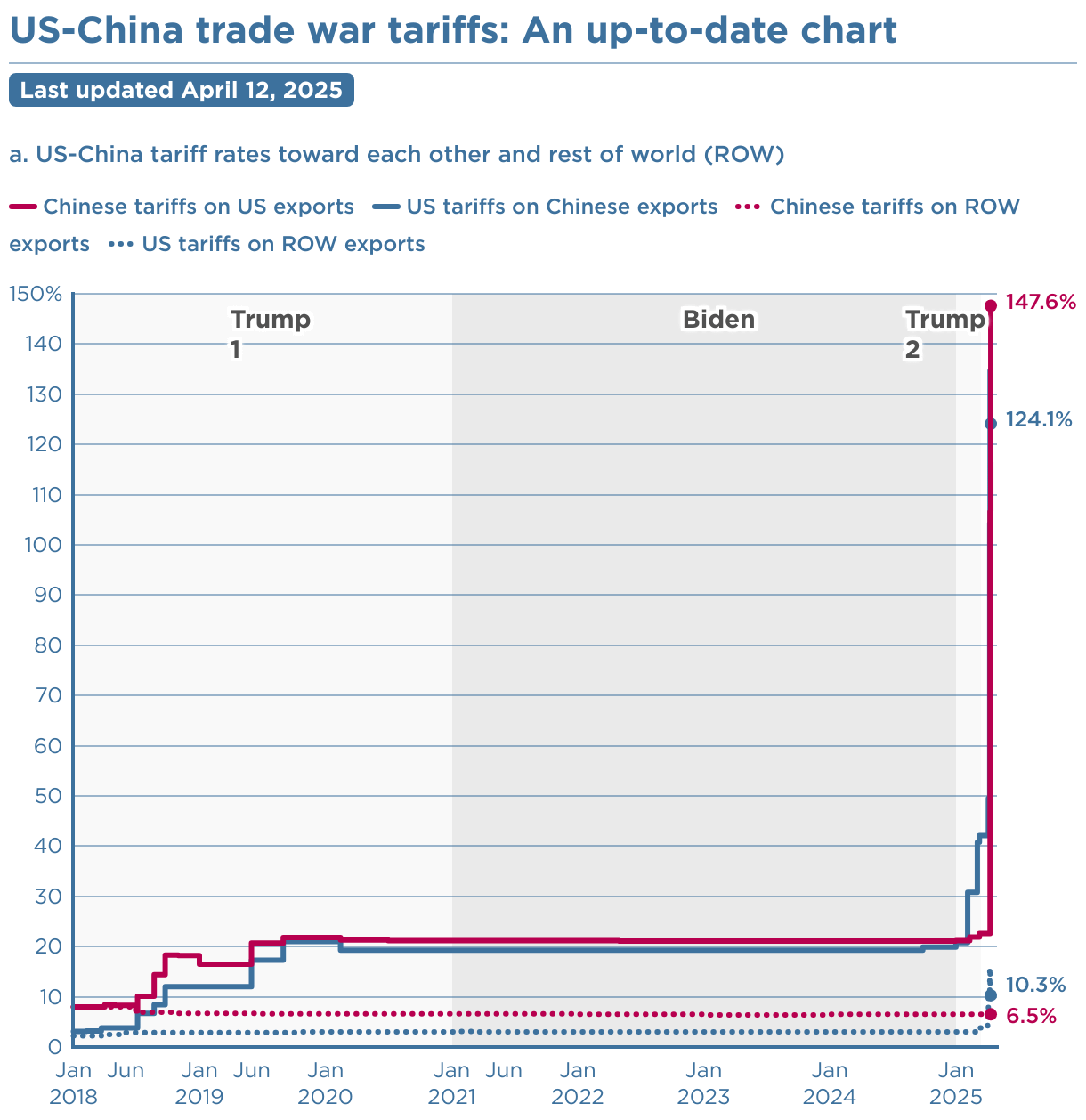
Trump has imposed a range of new tariffs on U.S. imports from China that, combined with existing tariffs, range as high as 245%. The average tariff on China imports, however, stood at 124.1% as of April 12, according to calculations by the Peterson Institute for International Economics. Obviously, that will shift as imports do in response to the higher cost to U.S. buyers.
Trump has also vowed to impose a tariff on imported pharmaceuticals. This week, he signed an executive order aimed at promoting domestic drug production and promised to unveil his pharmaceutical tariff in the next two weeks. The U.S. imported $203 billion in pharmaceutical products in 2023, 73% of it from Europe.
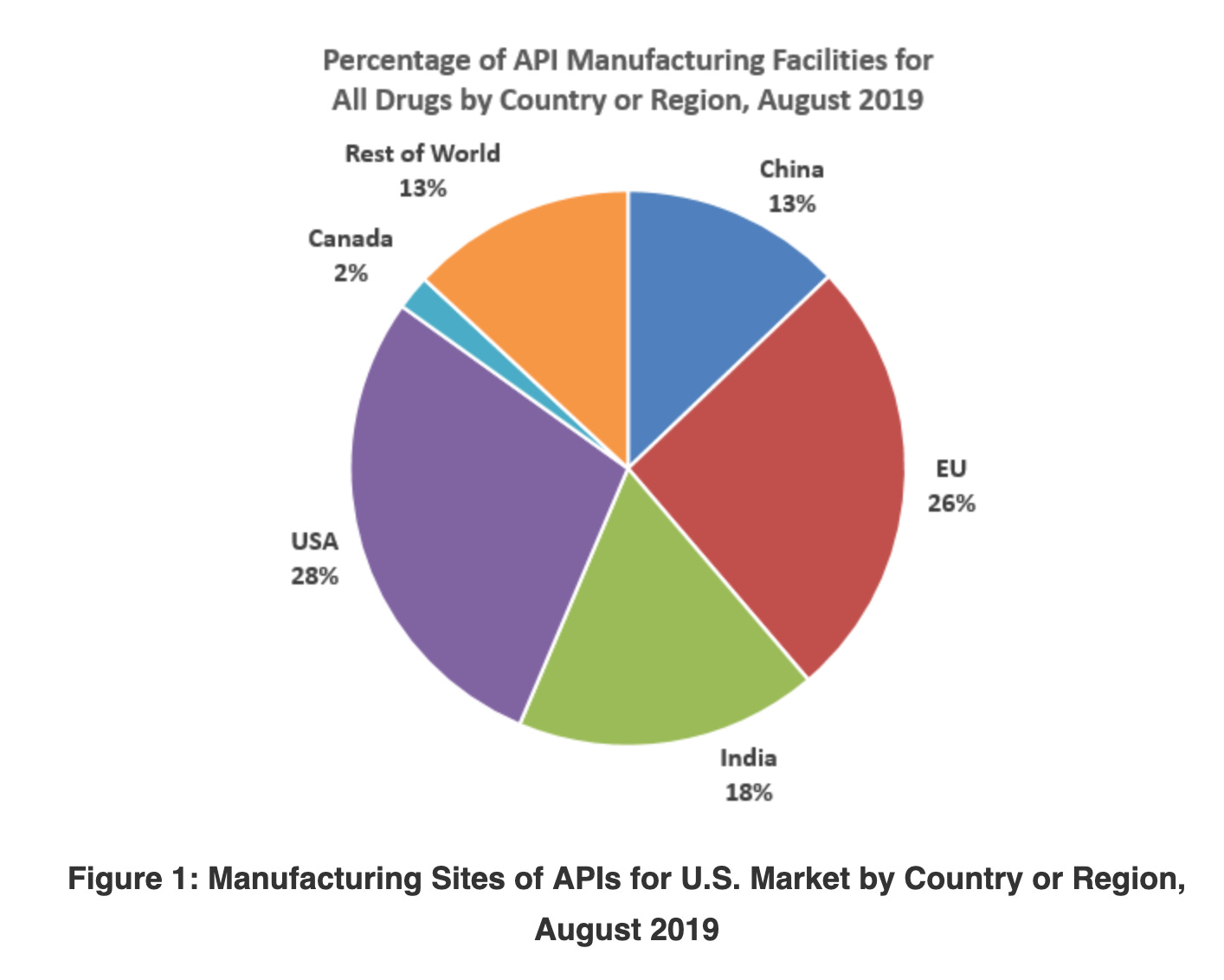
While Trump’s moves to eliminate funding of scientific research will undermine U.S. leadership in drug discovery and development, his drug tariff is designed to return more drug production to the U.S. It’s all part of his dream of returning America to a Gilded Age vision of unregulated sweatshop labor, in which Americans toil for robber barons in coalmines and factories. A 2019 analysis by the Food and Drug Administration fretted that only 28% of the active ingredients in the drugs Americans buy are made in the U.S., while drug-manufacturing facilities in China doubled between 2010 and 2019.
Let’s leave aside the fact that China, which was deposed by India as the world’s most populous nation because of its rapidly aging population, probably represents the world’s fastest growing market for pharmaceuticals. There are other reasons drug production is growing faster outside the U.S. The FDA noted that drug makers need large areas in jurisdictions that tolerate risks to the environment and offer low-cost labor—in other words, Trump’s vision for America.